What is social media marketing Strategies?

Social media marketing is an easy method of digital marketing in which businesses or individuals use social media platforms to promote their products, services, or brand.
In simple words:
To convey your intention to people by sharing posts, videos, ads, and content on platforms like instagram, Facebook ,Youtube, Twitter, linkedin,.
Importance of social media marketing:
1. Through digital marketing and social media like instagram, Facebook, Linkdin, businesses make their brands reach more people.
2. You can target them according to their age, location and interest.
3. You can communicate directly with customers through comments and messages. This built trust.
4. By providing regular useful content and replies, customers can become repeat buyers.
How to do Social Media marketing Strategies?
1. Choose the Right platform
A different Platform is right for every business.
. Fashion Business – Instagram
. Education – Youtube
. Local Business – Facebook
2. Create good content.
Post content that people will enjoy. For example:
Photo
Video
Offer post
Information Post
3. Post regularly .
Keep Posting daily or weekly. It’s important to stay consistently active.
4. Talk to customers
Reply to comments and messages
5. Runs Ads
If needed, you can rum paid ads so that more people can visit your business.
Things to consider in Best social media marketing strategies
. Do not give wrong information
. keep the quality of post good
. don’t be like that.
Best Social media marketing strategies for small Businesses
Whether you have a small shop , beauty parlor, coaching center, or online business, social media can be incredibly helpful. You can reach more people for less money.
What are your goals?
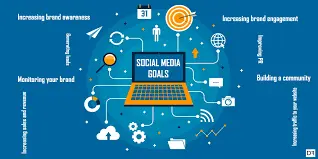
A successful social media strategy begins with clarity of purpose. Instead of posting just to post, every action should align with measurable objectives.
Common social media goals:
- Brand awareness (reach, impressions, follower growth)
- Engagement (likes, comments, shares, saves)
- Lead generation (form submissions, newsletter signups)
- Sales and conversions (tracked through UTM links or platform analytics)
- Customer support and retention (response rates, satisfaction scores)
Tip: Use the SMART framework–Specific, Measurable, Achievable, Relevant, Time-bound–to track progress. Businesses that set measurable goals are 377% more likely to report success in their marketing campaigns.
2. Who is your target audience?
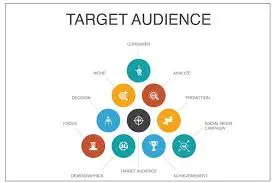
When it comes to social media in digital marketing, success depends on speaking to the right people with the right message.
How to define your audience:
- Demographics: Age, gender, location, income level
- Psychographics: Values, interests, lifestyles
- Behavioral data: Buying patterns, preferred platforms, content consumption habits
Research tools:
- Native platform insights (Instagram Insights, TikTok Analytics, LinkedIn Analytics)
- Social listening tools (Brandwatch, Sprout Social, Hootsuite)
- Surveys and customer interviews
3. What platforms should you use?
Not all social media channels are created equal, and being everywhere can spread resources too thin. When you’re using social media for marketing, refine your plan for the best results.
Key 2025 platform focuses:
- Instagram: Visual storytelling, Reels , shopping integration
- TikTok: Short-form video, trend participation, authentic behind-the-scenes content
- YouTube: Long-form video, tutorials, community posts
- LinkedIn: Professional thought leadership, B2B networking
- Pinterest: Visual search, inspiration boards, e-commerce links
- X (Twitter): Real-time updates, trending conversations, thought leadership

Strategy: Invest heavily in two or three core platforms where your audience is most active. Statistics show that businesses marketing on multiple platforms see an annual online sales increase of two to five percent.
4. How should you frame your message?
Content is still the foundation of social media marketing. Audiences expect authenticity, value, and entertainment.
Content categories:
- Educational: Tips, tutorials, “how-to” posts
- Entertaining: Memes , trends, relatable stories
- Inspirational: Success stories, quotes, motivational visuals
- Community-building: Q&A sessions, polls, live streams
- Promotional: Product launches, special offers, testimonials
Tip: Tailor formats to each platform rather than repurposing the same exact post everywhere. In fact, 90% of consumers find custom content useful, and 78% believe the organizations behind customized content are interested in building good relationships.
5. What strategies are most effective for videos?
Video continues to dominate social media marketing, bringing a staggering1,200% more shares than text and image content combined.
Current trends:
- TikTok-style vertical videos (15-60 seconds) to engage audiences
- YouTube shorts for discoverability
- Instagram Reels as the algorithm’s favorite format
- LinkedIn native videos for professional storytelling
Tip: Use captions; studies indicate that 85% of videos on platforms like Facebook are watched without sound.
6. How often should you post?
Consistency builds trust and keeps your brand visible in algorithm-driven feeds. In fact, research shows that being consistent typically increases revenue by 23%
When social media marketing for business, this consistent posting is an overlooked key to success.
Posting frequency ideals
- Instagram: 3-5 times per week + Stories daily
- TikTok: 3-5 short videos per week
- Facebook: 1-2 times per day
- LinkedIn: 1-2 times per day
Key Tools: You can Use scheduling tools to batch and automate content.
7. How will you engage your audience?
Social media is not just a broadcast channel. It’s a conversation. Your job isn’t over once you post something.
Engagement tactics:
- Reply to comments within 24 hours
- Use polls and questions to invite participation
- Acknowledge user-generated content (UGC)
- Host live Q&A sessions or AMAs (Ask Me Anything)
Note: Algorithms often boost posts with high early engagement, so quickly responding to comments and inquiries helps. What’s more, data indicates that brands that maintain high community engagement see a 4.5 times greater chance of customer loyalty.
8. Is paid advertising worth it?
Organic reach has declined on many platforms, making paid social ads essential for growth. In fact, one study found that in the space of three years, organic social media reach declined by almost 62%.
Ad formats worth trying:
- Instagram Story ads (immersive and swipe-up enabled)
- TikTok Spark Ads (boost existing organic posts)
- YouTube pre-roll video ads
- LinkedIn Sponsored Content (B2B targeting)
Best practices:
- Test multiple creatives
- Start with small budgets to identify winning campaigns
- Use precise audience targeting to avoid wasted spend
Keep in mind: Paid advertising on social media is relatively inexpensive, with costs generally ranging from 20 cents to 50 cents per click.
Social Media Marketing Strategies FAQ
1. What are social media marketing strategies?
Social media marketing strategies are planned methods used to promote a brand, product, or service on social media platforms like Facebook, Instagram, LinkedIn, and YouTube to increase engagement, traffic, and sales.
2. Why are best social media marketing strategies important?
They help businesses reach targeted audiences, improve brand awareness, increase customer engagement, and generate leads and sales effectively.
3. Which social media platform is best for marketing?
The best platform depends on your business goals and audience. Instagram is great for visual content, LinkedIn works well for B2B marketing, and Facebook is useful for broad audience targeting.
4. How often should I post on social media?
Consistency is important. Most businesses post 3–5 times per week, but the ideal posting frequency depends on your audience and platform.
5. What type of content works best on social media?
Videos, reels, infographics, educational posts, user-generated content, and interactive content usually perform.
Conclusion

Best Strategies for marketing using social media can help companies build the visibility of their websites, reach the right audience, boost the number of people who engage, and increase sales. Through consistent content, smart planning, and intelligent marketing, businesses can achieve their goals.